How hot weather can affect bipolar medication
- Posted: 1 July 2026
Extremely hot weather can be challenging for anyone, but it brings additional risks if you live with bipolar and take medication to help manage your condition. Don’t be hard on yourself if you’re finding it extra hard in the heat. There is a very good reason for that.
Some bipolar medications can affect how your body responds to heat, making it harder to stay cool and hydrated. Heatwaves can also disrupt sleep and daily routines, which may affect your mood and overall wellbeing.
Understanding the risks and taking extra good care of yourself can help you stay safe.
Antidepressants and antipsychotics
e.g. fluoxetine, sertraline, venlafaxine, quetiapine, olanzapine, aripiprazole
Antidepressants and antipsychotics can affect the body's ‘thermostat’, which may:
- make it difficult to cool down
- cause you to sweat a lot more (or less)
- make you feel less thirsty
Many antidepressants and antipsychotics can also make your skin more sensitive to the sun, so you may burn more easily.
Mood stabilisers
e.g. lithium, valproate, lamotrigine, carbamazepine
Mood stabilisers can also reduce your body's ability to cool itself, making you more likely to:
- overheat
- dehydrate
- get heat exhaustion or heatstroke
What is heat stroke?
Heatstroke occurs when the body can no longer cool itself and it is considered a medical emergency.
Signs include a very high temperature (above 40°C), confusion, fast breathing or heartbeat, and in severe cases seizures or loss of consciousness. The skin may also appear red, which can be harder to spot on brown and black skin.
Call 999 if you or someone else have signs of heatstroke.
Lithium
Lithium levels needs to be monitored carefully, especially in very hot weather and heatwaves. If you are sweating a lot and not drinking enough water, lithium levels can build up fast in the bloodstream.
If lithium levels get too high it can cause lithium toxicity. Serious toxicity can be life-threatening.
Signs of lithium toxicity
- nausea, stomach pain or diarrhoea
- blurry vision
- needing to wee or drink lots more than usual
- feeling lightheaded or drowsy
- confusion and blackouts
- shaking, twitching or spasms
- difficulty speaking
If you notice any of these symptoms, call 999 or go to A&E straight away.
Staying safe in a heatwave
1. stay hydrated, drinking small amounts consistently throughout the day (especially if you’re taking lithium)
2. limit alcohol
3. avoid direct sun; stay in the shade
4. use a high-factor suncream
5. avoid heavy movement or exercise
6. stay inside during the hottest part of the day, if you can
7. wear loose, light clothes
Please do not stop taking your medication without talking to a professional.
Storing your meds safely when it's hot
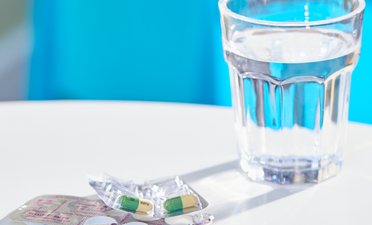
High temperatures can affect how well some medications work, so it's important to store them carefully during hot weather and heatwaves.
Keep your medication in a cool, dry place and out of direct sunlight. It can be difficult to find somewhere cool enough during a heatwave, but a bedroom drawer or bedside table is usually suitable. Avoid damp areas such as bathrooms and kitchens, where heat and humidity can build up.
Try not to leave medication in direct sunlight or places that can get very hot, such as cars, conservatories or windowsills.
Take extra care if you use pill organisers or dispensers, as medication stored outside its original packaging may be more vulnerable to heat and moisture. This is particularly important for some mood stabilisers, including sodium valproate.
Looking after yourself in the heat
Remember: many people with bipolar find hot weather difficult, and some medications can make it even harder. Take extra care of yourself, stay hydrated and seek medical advice if you're concerned about symptoms or side effects.